Buy qxa.eu ?
We are moving the project
qxa.eu .
Are you interested in purchasing the domain
qxa.eu ?
domain@kv-gmbh.de · 0541-91531010
Buy qxa.eu ?
Which chain riveting tool?
The choice of a chain riveting tool depends on the specific needs and requirements of the user. Factors to consider include the type and size of the chain, the frequency of use, and the budget. Some popular options include the Park Tool CT-3.3, the Motion Pro PBR Chain Tool, and the RK Racing Chain Pro Chain Breaker and Riveting Tool. It's important to research and compare different tools to find the one that best suits your needs. **
What is the difference between hot and cold riveting?
Hot riveting involves heating the rivet before placing it in the hole, which helps to make it more malleable and easier to form a tight joint. Cold riveting, on the other hand, does not involve heating the rivet and relies on mechanical force to form the joint. Hot riveting is typically used for larger and heavier structures, while cold riveting is more commonly used for smaller and lighter applications. Overall, hot riveting tends to create a stronger and more durable joint compared to cold riveting. **


Similar search terms for Riveting
Top-Angebote
Products related to Riveting:


-
What tools, materials, and equipment do teachers work with?
Teachers work with a variety of tools, materials, and equipment in their daily work. Some common tools include whiteboards, markers, and projectors for delivering lessons. Materials such as textbooks, worksheets, and manipulatives are used to support student learning. Equipment like computers, printers, and audio-visual devices are also essential for creating engaging lessons and activities. Overall, teachers rely on a combination of traditional and modern tools to effectively educate their students. **
-
With which work tools, materials, and equipment do teachers work?
Teachers work with a variety of tools, materials, and equipment in their daily tasks. Some common tools include computers, projectors, whiteboards, and pens. Materials can range from textbooks and worksheets to art supplies and science equipment. Additionally, teachers may use equipment such as printers, laminators, and document cameras to enhance their teaching methods and create engaging learning experiences for students. **
-
What would be a suitable title for tools, equipment, materials, and workplace safety?
A suitable title for tools, equipment, materials, and workplace safety could be "Ensuring a Safe and Efficient Work Environment." This title encompasses the importance of maintaining a safe workplace while also emphasizing the role of tools, equipment, and materials in achieving efficiency and productivity. It highlights the need for proper safety measures and the use of appropriate tools and equipment to create a conducive work environment. **
-
With which tools, equipment, materials, and work aids do you work in the daycare?
In the daycare, I work with a variety of tools, equipment, materials, and work aids to ensure the safety and well-being of the children. Some of the tools and equipment I use include toys, books, art supplies, and educational materials. I also utilize safety equipment such as first aid kits, fire extinguishers, and childproofing supplies. Additionally, I work with technology such as computers and tablets for educational purposes. These tools and aids help me create a stimulating and safe environment for the children in my care. **
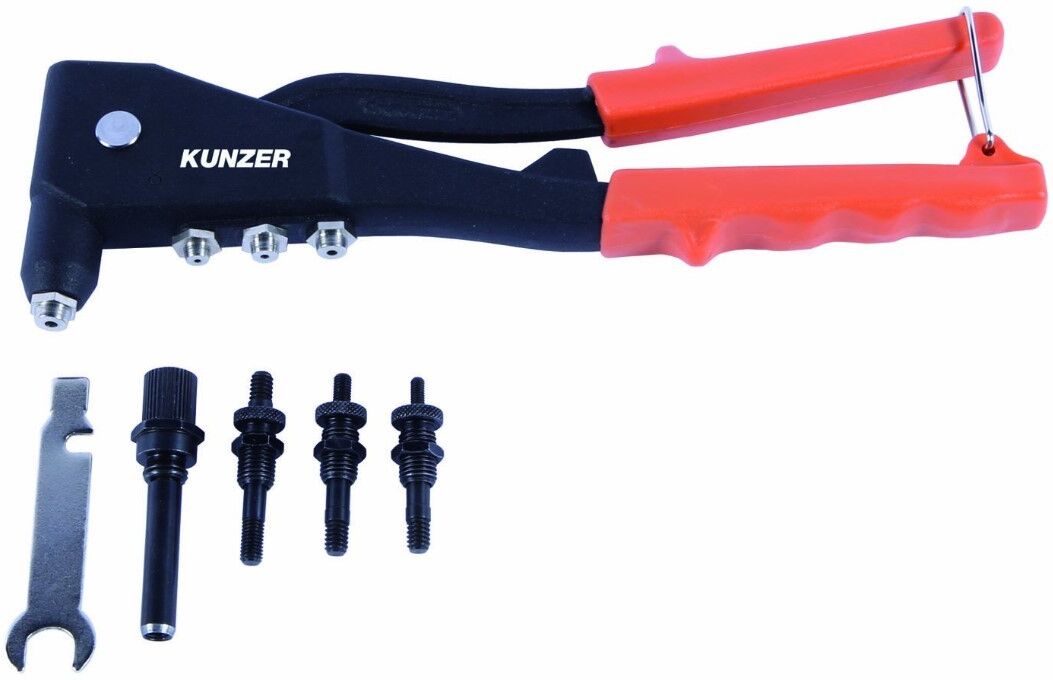
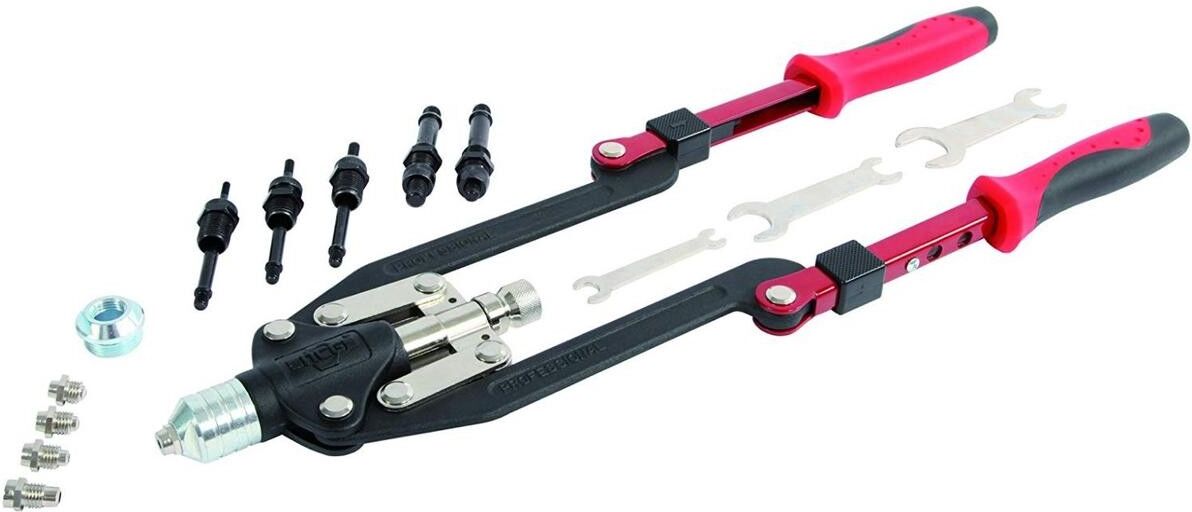
What are the advantages of screws compared to other joining methods such as riveting, welding, soldering, and gluing?
Screws offer several advantages over other joining methods. They provide a strong and secure connection that can be easily disassembled if needed, unlike welding or soldering which create permanent bonds. Screws also allow for adjustments and fine-tuning during assembly, which is not possible with riveting or gluing. Additionally, screws distribute the load evenly across the joint, reducing the risk of stress concentration and potential failure compared to other methods. **
What is the difference between materials and tools?
Materials are the substances or components used to create or build something, such as wood, metal, plastic, or fabric. Tools, on the other hand, are instruments or devices used to manipulate or work with materials, such as hammers, saws, drills, or sewing machines. In other words, materials are the raw elements used in a project, while tools are the instruments used to shape, cut, or assemble those materials. **
Top-Angebote
Products related to Riveting:
-
Which chain riveting tool?
The choice of a chain riveting tool depends on the specific needs and requirements of the user. Factors to consider include the type and size of the chain, the frequency of use, and the budget. Some popular options include the Park Tool CT-3.3, the Motion Pro PBR Chain Tool, and the RK Racing Chain Pro Chain Breaker and Riveting Tool. It's important to research and compare different tools to find the one that best suits your needs. **
-
What is the difference between hot and cold riveting?
Hot riveting involves heating the rivet before placing it in the hole, which helps to make it more malleable and easier to form a tight joint. Cold riveting, on the other hand, does not involve heating the rivet and relies on mechanical force to form the joint. Hot riveting is typically used for larger and heavier structures, while cold riveting is more commonly used for smaller and lighter applications. Overall, hot riveting tends to create a stronger and more durable joint compared to cold riveting. **
-
What tools, materials, and equipment do teachers work with?
Teachers work with a variety of tools, materials, and equipment in their daily work. Some common tools include whiteboards, markers, and projectors for delivering lessons. Materials such as textbooks, worksheets, and manipulatives are used to support student learning. Equipment like computers, printers, and audio-visual devices are also essential for creating engaging lessons and activities. Overall, teachers rely on a combination of traditional and modern tools to effectively educate their students. **
-
With which work tools, materials, and equipment do teachers work?
Teachers work with a variety of tools, materials, and equipment in their daily tasks. Some common tools include computers, projectors, whiteboards, and pens. Materials can range from textbooks and worksheets to art supplies and science equipment. Additionally, teachers may use equipment such as printers, laminators, and document cameras to enhance their teaching methods and create engaging learning experiences for students. **
Similar search terms for Riveting
-
What would be a suitable title for tools, equipment, materials, and workplace safety?
A suitable title for tools, equipment, materials, and workplace safety could be "Ensuring a Safe and Efficient Work Environment." This title encompasses the importance of maintaining a safe workplace while also emphasizing the role of tools, equipment, and materials in achieving efficiency and productivity. It highlights the need for proper safety measures and the use of appropriate tools and equipment to create a conducive work environment. **
-
With which tools, equipment, materials, and work aids do you work in the daycare?
In the daycare, I work with a variety of tools, equipment, materials, and work aids to ensure the safety and well-being of the children. Some of the tools and equipment I use include toys, books, art supplies, and educational materials. I also utilize safety equipment such as first aid kits, fire extinguishers, and childproofing supplies. Additionally, I work with technology such as computers and tablets for educational purposes. These tools and aids help me create a stimulating and safe environment for the children in my care. **
-
What are the advantages of screws compared to other joining methods such as riveting, welding, soldering, and gluing?
Screws offer several advantages over other joining methods. They provide a strong and secure connection that can be easily disassembled if needed, unlike welding or soldering which create permanent bonds. Screws also allow for adjustments and fine-tuning during assembly, which is not possible with riveting or gluing. Additionally, screws distribute the load evenly across the joint, reducing the risk of stress concentration and potential failure compared to other methods. **
-
What is the difference between materials and tools?
Materials are the substances or components used to create or build something, such as wood, metal, plastic, or fabric. Tools, on the other hand, are instruments or devices used to manipulate or work with materials, such as hammers, saws, drills, or sewing machines. In other words, materials are the raw elements used in a project, while tools are the instruments used to shape, cut, or assemble those materials. **
* All prices are inclusive of VAT and, if applicable, plus shipping costs. The offer information is based on the details provided by the respective shop and is updated through automated processes. Real-time updates do not occur, so deviations can occur in individual cases. ** Note: Parts of this content were created by AI.